Chicago, IL 60601
FREE CONSULTATIONS 312-462-4200
TOLL FREE 833-462-4200

What if My Baby Was Injured During an Emergency C-Section?
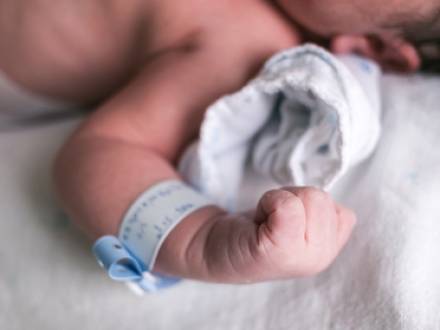 In many cases, a Cesarean delivery ("C-section") is a regular, pre-planned part of childbirth at a hospital. However, there are some situations where it may not become clear until later that a C-section is needed. When the mother’s or baby’s health is at risk, surgeons have to act quickly. If the baby suffers an injury during this procedure, the family may be able to take legal action if they can show that someone acted negligently.
At Birth Injury Law Alliance, Ltd., we can review a birth injury in detail to see if a doctor, nurse, or surgeon lived up to the proper duty of care. If your baby’s health was compromised due to a careless C-section, our firm can help you seek compensation for present and future damages. Our Chicago, IL birth injury lawyers have secured millions in verdicts and settlements for injured infants and mothers, so you can put your trust in our firm’s legal guidance and counsel.
What Is the Difference Between a Planned C-Section and an Emergency C-Section?
A planned C-section is a surgery that a doctor and a mother schedule before labor begins. It often takes place around 39 weeks of pregnancy. Doctors may plan one when the baby is in a breech position, the mother had a prior C-section, or she is carrying twins. A placenta that blocks the birth canal is another common reason. With a planned surgery, the medical team has time to prepare. Staff can line up the right equipment, and the mother can ask questions ahead of time.
An emergency C-section happens during labor when something goes wrong. The baby’s heart rate may drop. Labor may stop moving forward. The umbilical cord may slip out ahead of the baby, or the placenta may pull away from the uterus. In these moments, a few minutes can change the outcome. Many hospitals follow a general goal of starting surgery within about 30 minutes once the decision is made. The rush does not excuse careless care. Doctors and nurses train for these situations, and hospitals must be ready to act fast.
What Kind of Injuries Can an Infant Suffer in an Emergency C-Section?
An infant can suffer injuries during an emergency C-section from the surgery itself or from the problems that led to it. Some injuries heal in a few weeks. Others last a lifetime. Common emergency C-section injuries include:
- Cuts and lacerations: A surgeon working too fast can cut the baby’s skin with a scalpel. These cuts often appear on the head, face, or buttocks and can leave scars.
- Brain damage from lack of oxygen: A baby who goes too long without enough oxygen before delivery can suffer brain damage. Doctors call this hypoxic-ischemic encephalopathy, or HIE.
- Cerebral palsy: Oxygen loss around the time of birth is one known cause of cerebral palsy. This condition affects movement, muscle control, and balance.
- Nerve damage: Pulling too hard on the baby’s head or arm can injure the brachial plexus. These nerves control the arm and hand.
- Broken bones: Rough handling during delivery can fracture a baby’s collarbone or arm.
- Breathing problems: Some babies born by C-section have fluid left in their lungs and need extra help breathing.
Parents may not notice signs of some injuries right away. A delay in sitting up, crawling, or walking can be the first clue that something happened during the birth.
Can a Delayed C-Section Put an Infant’s Health at Risk?
A delayed C-section can put an infant’s health at serious risk. Most of the danger comes from lack of oxygen. During labor, a fetal heart monitor tracks the baby’s heart rate. Certain patterns can warn that the baby is in distress. Nurses must watch these readings and alert the doctor. The doctor must then decide quickly whether surgery is needed.
The longer a baby goes without enough oxygen, the higher the risk of permanent brain injury. Many birth injury claims focus on this window of time. When did the warning signs first appear? How long did the team take to respond? Our attorneys work with medical professionals who can review fetal monitor strips and build a timeline of each decision made in the delivery room.
What Documents Should You Gather After a Botched C-Section in 2026?
Families dealing with a botched C-section can protect a future claim by collecting the right documents early. You have the right to request copies of your own medical records and your child’s records from the hospital. Helpful records include prenatal care records from your doctor’s office, labor and delivery notes, and fetal heart monitor strips. Operating room and anesthesia records can also show what happened during the surgery. You should request your baby’s newborn and NICU records, along with any later records from doctors, specialists, and therapists who treat your child.
Time limits apply to these claims. In Illinois, a medical injury claim for a child generally must be filed within eight years of the act that caused the harm, and never after the child’s 22nd birthday (735 ILCS 5/13-212(b)). That may sound like plenty of time. Still, records can be lost, and memories fade. Claims against public hospitals can also carry much shorter deadlines, so it is wise to speak with an attorney sooner rather than later.
Who Can Be Held at Fault When a Baby Is Injured During an Emergency C-Section?
Several parties could be held at fault when a baby is injured during an emergency C-section. The obstetrician is often the main focus. A doctor may be responsible for waiting too long to operate, making a careless cut, or using too much force during delivery.
Other members of the medical team can share the blame. Labor and delivery nurses might have missed warning signs on the heart monitor. An anesthesiologist could have caused delays or made errors with medication. Residents, midwives, and NICU staff can also make mistakes that harm a newborn.
The hospital itself could be held responsible in some cases. A hospital can be at fault for short staffing, poor training, broken equipment, or a lack of clear emergency plans. Hospitals can also be liable for mistakes made by the staff they employ. Even when a doctor is not a hospital employee, the hospital could still share blame in certain situations.
Proving fault in a birth injury case takes careful work. Illinois requires a written report from a qualified health professional before a medical malpractice case can move forward. This report must explain why the claim has merit. Gathering strong medical support early can help keep a case on track.
Contact Our Chicago, IL Birth Injury Attorneys
An injury during an emergency C-section can affect a child’s health for years. At Birth Injury Law Alliance, Ltd., we review birth records closely, work with trusted medical professionals, and help families pursue compensation for medical care, therapy, and future needs. Contact our Cook County, IL infant injury lawyers or call 312-462-4200 to schedule a free consultation.

312-462-4200
60 W Randolph Street, Suite 400,
Chicago, IL 60601


Contact Our Firm
 The use of the Internet or this form for communication with the firm or any individual member of the firm does not establish an attorney-client relationship. Confidential or time-sensitive information should not be sent through this form.
I have read and understand the Disclaimer and Privacy Policy.