Chicago, IL 60601
FREE CONSULTATIONS 312-462-4200
TOLL FREE 833-462-4200

What Is Sepsis, and How Can It Affect a Mother or Child During Birth?
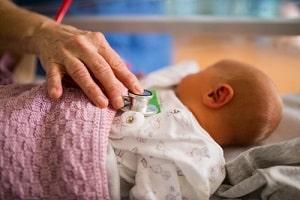
During pregnancy, labor, and delivery, there are a variety of health issues that can affect both mothers and children. One major concern is the possibility of contracting infectious diseases. Viruses or bacteria may pass from a mother to a child during pregnancy. Infections can also occur if proper sterilization procedures are not followed during delivery.
Infections are dangerous enough on their own. They can also trigger sepsis, which is a life-threatening condition that can affect a person’s long-term health. At Birth Injury Law Alliance, Ltd., we have personally secured multi-million dollar verdicts for mothers and their children in hard-fought claims. Our Chicago, IL birth injury attorneys can investigate sepsis cases where a hospital failed to administer proper care.
What Are the Symptoms and Complications of Sepsis?
When an infection spreads through the body or bloodstream, it could spread to major organs. When this happens, the body may have a strong immune response. The body releases chemicals to fight the infection. These chemicals can cause swelling and inflammation in the body’s tissues.
In serious cases, sepsis can turn into septic shock. This means the person’s blood pressure drops to a dangerous level. Septic shock can cause permanent damage to the heart, lungs, kidneys, brain, or other organs.
Symptoms of sepsis for mothers may include either a high fever or a low body temperature, as well as elevated heart rate and breathing, fatigue, nausea, decreased urination, sweating, and discolored patches of skin. In addition to these symptoms, signs that indicate that a newborn is experiencing sepsis include poor circulation in the extremities, swelling in the abdomen, listlessness, difficulty breastfeeding, seizures, jaundice, and breathing that stops temporarily.
How Do Doctors Address Sepsis in a Mother or Child?
Doctors and nurses should watch for signs of sepsis during labor, delivery, and after birth. Doctors may confirm a sepsis diagnosis by:
- Taking blood or urine samples
- Running tests to check for infection
- Looking for blood clotting problems
- Checking for electrolyte imbalances
- Testing oxygen levels
- Evaluating liver and kidney function
Treatment for sepsis usually involves antibiotics to fight the infection. Other medications may help raise blood pressure, control blood sugar, or reduce inflammation. If necessary, a respirator may be used to ensure that a patient can receive the proper amount of oxygen. If the kidneys have been affected, dialysis may need to be performed. In some cases, surgery may be performed to remove infected tissue from the body.
How Long Do You Have To File a Birth Injury Claim for Sepsis in 2026?
In Illinois, birth injury claims have strict filing deadlines. For many medical malpractice cases, a claim must be filed within two years of when the injury was discovered or reasonably should have been discovered. However, claims involving minors can have different rules. In many birth injury cases, a lawsuit may be filed within eight years of the negligent act, but not after the child turns 22.
These deadlines can be confusing in sepsis cases. A baby may become sick soon after birth, but the full harm may not be clear right away. Sepsis can lead to brain damage, organ damage, developmental delays, or other long-term health problems. Parents may not know at first whether the infection was unavoidable or whether a doctor, nurse, or hospital failed to act quickly enough. If you wait too long to take action, you might lose your right to seek payment from the hospital.
Can I Take Legal Action if a Delay in Treatment Caused Sepsis to Worsen?
You may be able to take legal action if a delay in treatment caused your baby’s sepsis to become worse. Sepsis is a medical emergency. In newborns, it can progress very quickly. A baby may need antibiotics, fluids, oxygen, blood pressure support, lab testing, and close monitoring.
A delay may happen when warning signs are missed. These signs can include fever, low body temperature, breathing problems, poor feeding, unusual sleepiness, a fast heart rate, or changes in skin color. During labor, infection risks may also be present if the mother has a fever, a long labor, ruptured membranes for many hours, or untreated Group B strep.
Not every case of newborn sepsis is malpractice. Doctors cannot prevent every infection. However, medical negligence may be involved if providers ignored symptoms, failed to order proper testing, delayed antibiotics, failed to monitor the baby, or sent the baby home too soon.
A legal claim must usually show that the medical team failed to meet the proper standard of care (735 ILCS 5/13-212). It must also show that this failure caused harm. For example, if faster treatment would likely have reduced brain damage, organ injury, or the length of NICU care, the delay may become a key part of the case.
Wrongful Infant Death Claims Involving Sepsis
Few losses are as devastating as the death of a newborn. When sepsis causes an infant’s death, parents may be left with grief, unanswered questions, and the terrible feeling that something was missed. A wrongful death claim may be possible if medical negligence caused or contributed to the death.
In Illinois, a wrongful death claim can seek compensation for losses suffered by surviving family members. These may include grief, sorrow, funeral costs, medical bills, and the loss of the child’s society and companionship. A related survival claim may also address the pain and suffering the baby experienced before death.
Contact Our Cook County, IL Sepsis Injury Attorneys
Sepsis is one of the most serious issues that can affect patients. Medical personnel should recognize the signs and symptoms of this condition during labor, delivery, and the postpartum period. If proper treatment is not provided, a mother or child with sepsis may suffer permanent bodily harm. In the most severe cases, sepsis can be fatal.
If sepsis has affected you or your child, Birth Injury Law Alliance, Ltd. can help you understand your options. Financial compensation may help cover the ongoing treatment you need and address your long-term damages. We can review your case to determine whether medical negligence occurred and explain what payment you can recover. Contact our Chicago, IL birth injury lawyers and set up a free consultation by calling 312-462-4200 today.

312-462-4200
60 W Randolph Street, Suite 400,
Chicago, IL 60601


Contact Our Firm
 The use of the Internet or this form for communication with the firm or any individual member of the firm does not establish an attorney-client relationship. Confidential or time-sensitive information should not be sent through this form.
I have read and understand the Disclaimer and Privacy Policy.